
Inclusive Design for Cognition
Solve for One, Extend to Many: Empowering people of all abilities
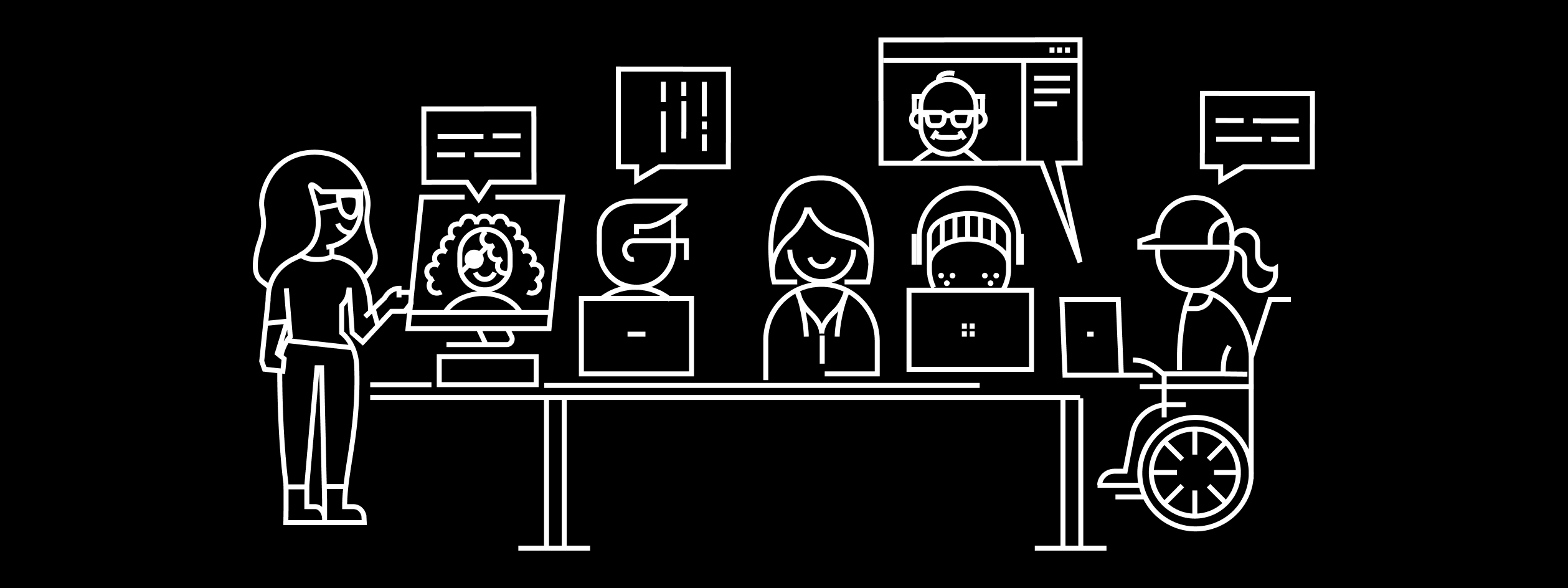
Their candor about abandoning tasks out of frustration pushed us to simplify, clarify, and remove barriers so the experience works better for everyone.
About Inclusive Design for Cognition
A single red dot. For most, it was a simple indicator that a field wasn’t filled out right. But for one person participating in a usability study for a new software interface, it was enough to abandon the task entirely.
That tiny detail is just one of the countless points of friction that can make digital experiences harder or more stressful than they need to be. For millions of neurodivergent and disabled users, those frictions aren’t small—they’re barriers. Every click can feel like a cognitive hurdle.
How might we involve more neurodivergent users so our designs work better for everyone? That question sparked Inclusive Design for Cognition. Instead of designing for the “average user,” this initiative brings neurodivergent voices directly into the process—because their lived experiences reveal friction points many people never notice. What feels like background noise to one person can be overwhelming for someone with a different stimulation threshold. And when those barriers are removed, the experience becomes calmer, clearer, and better for everyone.
This approach, called co-design, delivers three powerful benefits: it honors the needs of neurodivergent people, helps product teams learn from diverse perspectives to design better products, and follows the principle “solve for one, extend to many.” By surfacing friction that others might tolerate but still slows them down, co-design uncovers improvements that ultimately ripple across everyone.
Journey
The spark ignited during Microsoft Garage Hackathon 2022, where a team of passionate innovators, inspired by a joyful design guru, saw a chance to rethink design from the ground up. They embraced co‑design practices, partnering directly with neurodivergent and disabled participants to uncover real-world challenges that often go unnoticed. The Garage provided the perfect environment, freedom to experiment, and a culture that champions inclusion as a driver of innovation.
Building Empathy into Design
Early prototypes focused on identifying cognitive load issues before they reached users. Their breakthrough came during co‑design sessions, where patterns emerged that could scale across Microsoft products. Following Garage principles—scrappy builds, fast feedback loops—they turned insights into actionable toolkits. Anna Cook, a Senior Designer on the team, reflected: “We didn’t just build features; we built empathy into the design process.”
Impact That Scales
Today, Inclusive Design for Cognition influences product design and research practices across Microsoft. It has contributed to reusable toolkits, informed accessibility guidelines, and sparked cultural change around inclusive design, including:
- Training and Workshops: Microsoft employees have been trained in co-design and inclusive design sprints, significantly expanding the project’s impact.
- Azure Home Redesign: Azure design teams are shaping improvements across various Azure Portal experiences, guided by the Inclusive Design for Cognition Toolkit and principles to create clearer, lower-cognitive-load workflows.
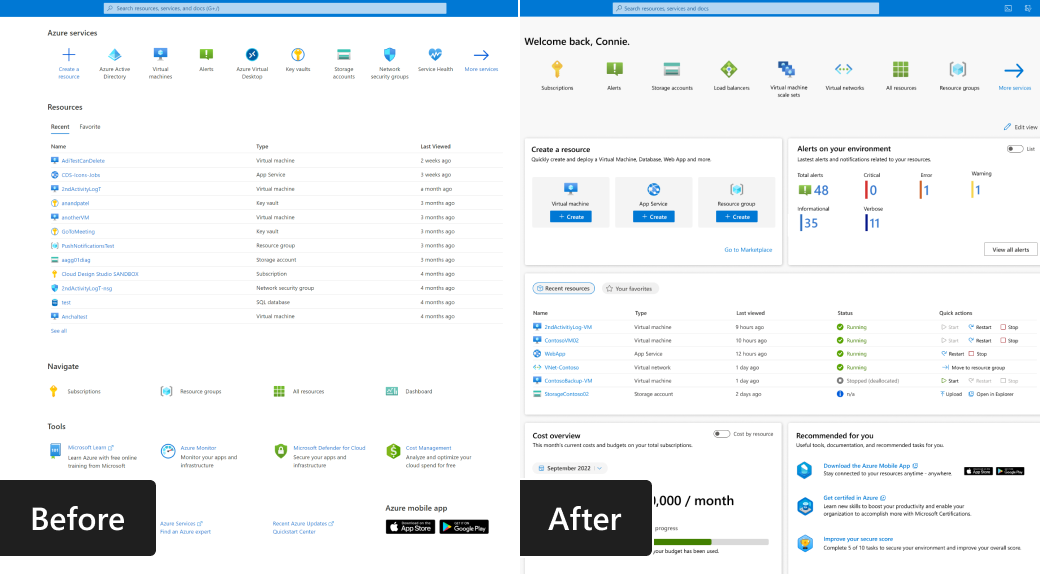
Not only is inclusion aligned with Microsoft’s mission to empower every person and every organization on the planet to achieve more, it also makes experiences universally better, reducing user errors and improving satisfaction for everyone. Recognition of those benefits accelerated the adoption of this methodology across the organization.
The Journey Continues
Following the Hackathon, the initiative now shapes accessibility standards, inspiring other teams to adopt co-design. Its legacy? A Microsoft where cognitive diversity is a design advantage. Ed Essey, Senior Director of Business Value, praised the team’s approach, “This work isn’t about adding features. It’s about removing barriers so everyone can show up fully.”
Join the Movement
Explore Garage resources and join the effort to make technology work for every mind. Learn more about how Microsoft employees in The Garage are changing our world every day by bookmarking our site.
Team
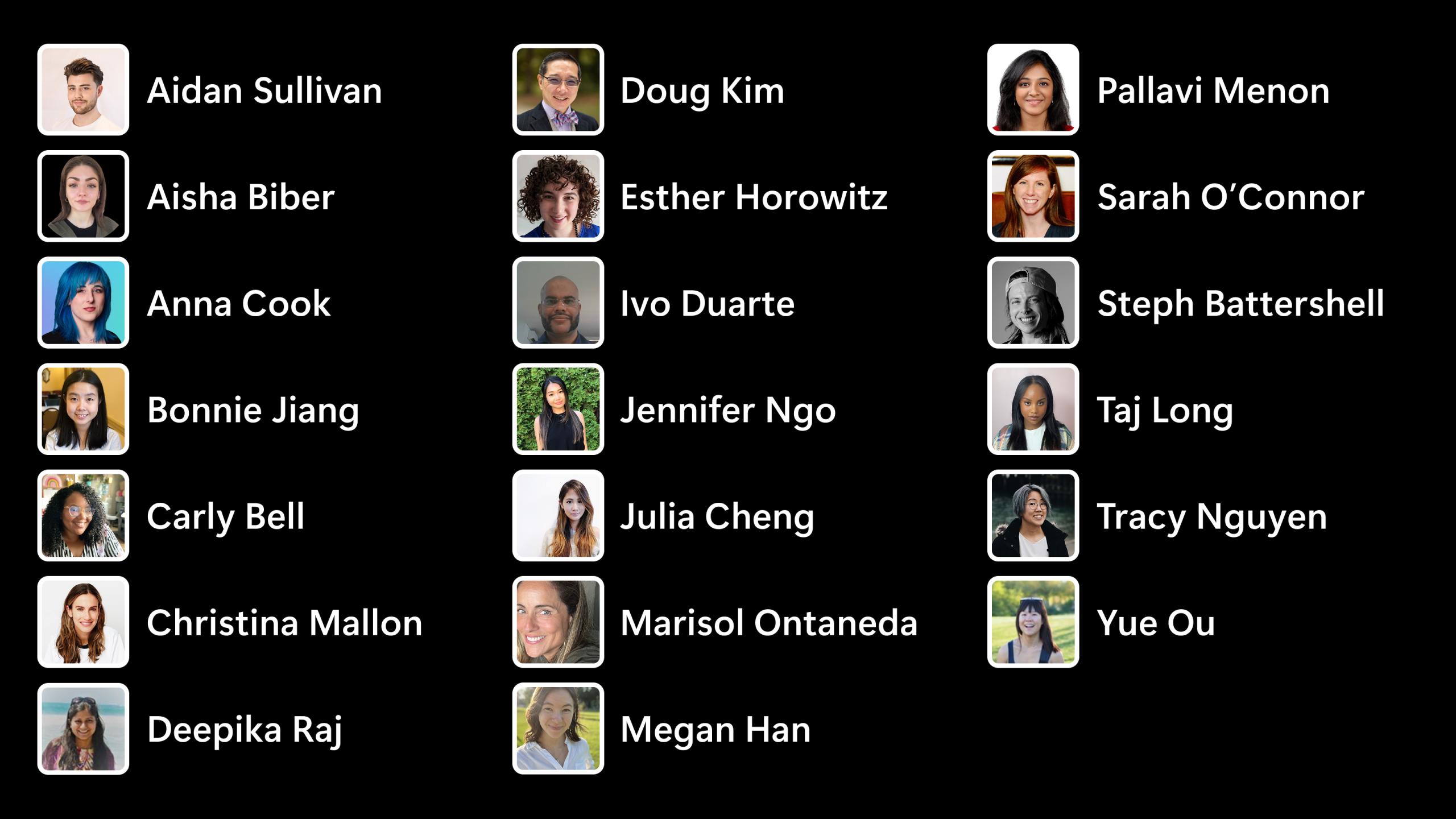
Christina Mallon, Yue Ou, Aidan Sullivan, Aisha Biber, Anna Cook, Bonnie Jiang, Carly Bell, Deepika Raj, Doug Kim, Esther Horowitz, Ivo Duarte, Jennifer Ngo, Julia Cheng, Marisol Ontaneda, Megan Han, Pallavi Menon, Sarah O’Connor, Steph Battershell, Taj Long, Tracy Nguyen


